How Do Pimple Patches Work? A Complete Guide to Acne Spot Patches
A sudden pimple before an important event can be frustrating, especially when you want your skin to look clearer without squeezing or irritating the blemish. Pimple patches have become a popular addition to modern skincare routines, offering a simple way to cover individual spots.
But how do pimple patches work, and are they genuinely effective? Most traditional patches use hydrocolloid, an absorbent material that helps collect fluid from suitable blemishes while covering the affected area. Some newer versions contain additional ingredients or use microneedle technology.
This guide explains their different types, benefits, limitations, ingredients, safety considerations, and how to choose a suitable product.
What Are Pimple Patches? More detail view YouTube video how to use
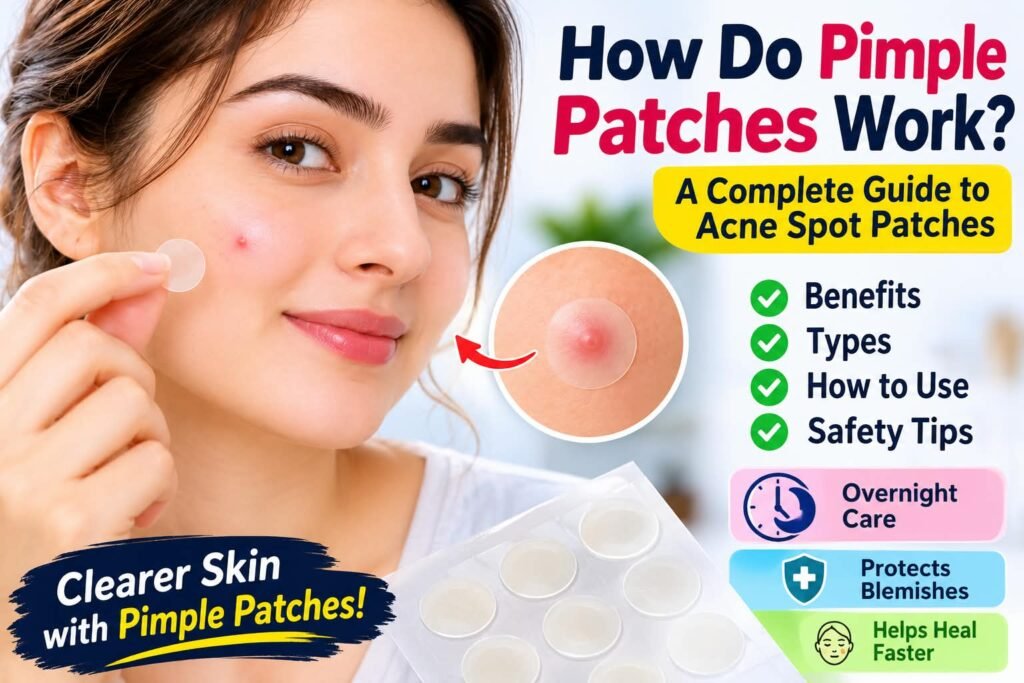
Pimple patches are small adhesive coverings designed to sit directly over individual blemishes. They are commonly sold as transparent, skin-coloured, or decorative stickers in different shapes and sizes.
Most traditional acne spot patches contain hydrocolloid, a material also used in certain wound dressings. It absorbs moisture and creates a protected environment over the covered area.
Their main purpose is to protect a blemish from touching, picking, and environmental irritation while absorbing available surface fluid. They are particularly useful for spots that have developed a visible whitehead or opened naturally.
Unlike a complete acne skincare treatment, ordinary patches target individual blemishes rather than treating the underlying causes of recurring breakouts.
How Do Pimple Patches Work?
More detail view YouTube video how to use
Understanding how do pimple patches work begins with hydrocolloid technology.
Hydrocolloid contains moisture-absorbing materials that interact with fluid from the covered skin area. When placed over a suitable blemish, the material gradually absorbs available discharge and forms a soft gel-like substance.
There are three important effects:
- Moisture absorption: The patch collects fluid from an open or draining blemish.
- Physical protection: Its covering helps prevent unnecessary touching, scratching, and picking.
- Protected environment: The covering helps maintain a moist environment, which can support the natural healing process of superficial skin injuries.
You may notice a white or cloudy spot appearing underneath the patch. This happens because absorbed moisture changes the appearance of the hydrocolloid material. It does not necessarily mean that the patch has removed every impurity or completely cleared the pore.
Traditional patches cannot reliably draw out deep acne, eliminate excess oil production, or prevent every future breakout. Their effectiveness depends considerably on the type and condition of the blemish.
Different Types of Pimple Patches
Not every acne patch uses the same technology. Understanding the differences helps prevent unrealistic expectations.
Hydrocolloid Patches
These are the most common type. They contain an absorbent material designed to collect fluid from suitable surface blemishes.
They generally contain no conventional acne medication and provide physical protection. They are particularly useful for superficial whiteheads and spots that have opened.
Invisible Daytime Patches
Daytime patches are usually thinner and designed to blend more naturally with the skin.
Their low-profile appearance makes them suitable for wearing during ordinary activities. Some can also be worn underneath makeup, depending on the manufacturer’s instructions.
Overnight Pimple Patches
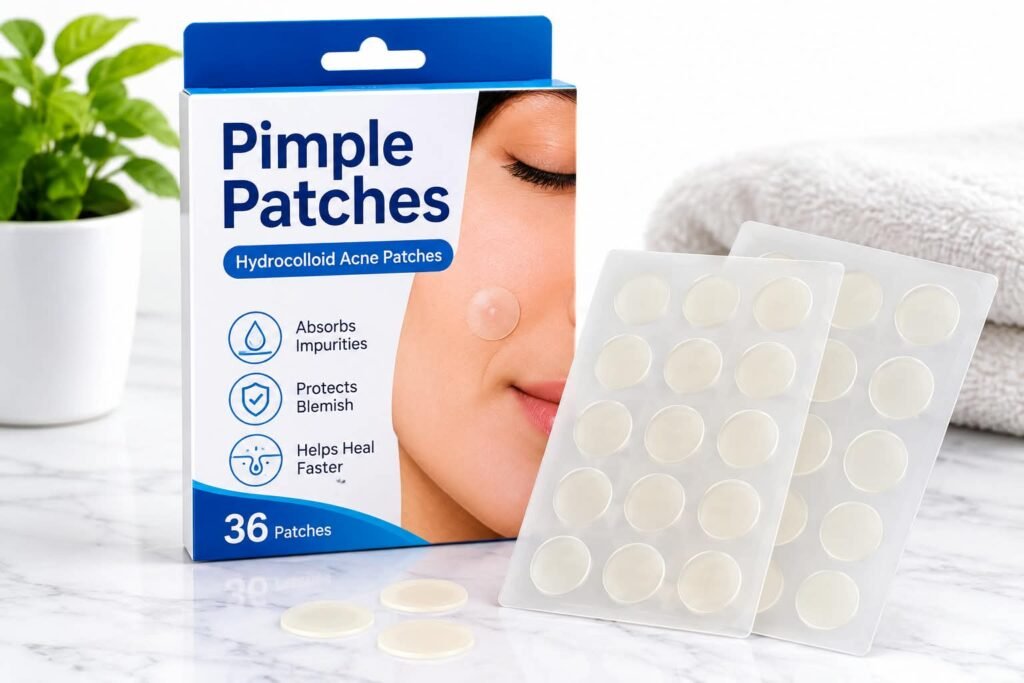
Overnight pimple patches are designed for extended wear while sleeping. They often use hydrocolloid and may have an adhesive construction intended to remain attached for several hours.
They are convenient, but overnight use does not guarantee that a blemish will disappear by morning.
Medicated Pimple Patches
Some products include acne-treatment ingredients such as salicylic acid. Others may contain ingredients such as tea tree oil.
Their effects depend on the actual formulation and concentration. A medicated patch should not be considered equivalent to a simple hydrocolloid sticker.
Check the packaging, ingredient list, directions, and relevant drug information before purchasing.
Microneedle Pimple Patches
Microneedle patches contain tiny projections designed to interact with the outer skin surface and deliver or release ingredients locally.
They are marketed for certain deeper-looking blemishes. However, designs and formulations differ, and marketing claims should not be confused with strong independent clinical evidence.
Follow the manufacturer’s instructions carefully and avoid using products that cause pain, irritation, or unexpected skin reactions.
Benefits of Using Pimple Patches
Pimple patches offer several practical advantages when used appropriately.
- Discourage picking: Covering a blemish makes it less accessible to fingers.
- Absorb surface fluid: Hydrocolloid can collect discharge from suitable open spots.
- Provide protection: The patch creates a physical barrier against repeated touching.
- Support superficial healing: Maintaining a protected, moist environment can help superficial damaged skin recover.
- Convenient application: Individual patches are easy to carry and apply.
- Targeted skincare: They cover specific blemishes without requiring an entire face treatment.
However, these pimple patch benefits should not be exaggerated. Ordinary patches are not a complete acne treatment and cannot guarantee scar prevention or permanent results.
Do Pimple Patches Work on Every Type of Acne?
No. Their usefulness depends on the type of blemish.
- Surface-level pimples: Patches may protect these spots, particularly when they have visible surface fluid.
- Whiteheads: Hydrocolloid patches are generally most useful when a whitehead is close to the surface.
- Open blemishes: They can absorb available discharge and protect the affected area. Avoid deliberately opening spots to make a patch work.
- Deep cystic acne: Ordinary patches cannot reach inflammation deep beneath the skin. Medical acne treatment may be necessary.
- Blackheads: Patches do not reliably remove the material blocking these pores.
- Closed comedones: These small, non-inflamed bumps generally offer little fluid for hydrocolloid to absorb.
If breakouts are painful, persistent, widespread, or causing scars, consult a qualified healthcare professional rather than relying on spot stickers.
How to Use Pimple Patches Correctly
Correct application improves adhesion and reduces unnecessary irritation.
- Clean the skin: Wash the affected area using a gentle cleanser.
- Dry the area: Pat the skin completely dry before application. Moisturiser and facial oils can interfere with adhesion.
- Apply the patch: Choose a size that covers the blemish and its immediate surrounding area.
- Follow wear instructions: Leave it on for the period recommended by the manufacturer.
- Remove gently: Peel the patch away slowly. Do not pull aggressively or damage the surrounding skin.
- Continue skincare: Apply your usual gentle skincare routine after removal, provided the area is comfortable.
Do not repeatedly replace patches simply because a spot remains visible. Give the skin time to recover.
Ingredients to Look For
Hydrocolloid is the main ingredient to understand when buying traditional pimple patches.
It absorbs moisture and helps maintain a protected environment over suitable blemishes. Some products use additional adhesive materials and protective films to improve their construction.
Other formulations may include:
- Salicylic acid: An acne-treatment ingredient that helps address clogged pores.
- Tea tree oil: An ingredient included in certain spot-treatment formulations that may irritate some individuals.
- Niacinamide: Sometimes included in broader blemish-care formulations.
These ingredients are not present in every patch. Always check the complete ingredient list rather than assuming that every product offers the same benefits.
Are Pimple Patches Safe for Sensitive Skin?
Many people tolerate simple hydrocolloid patches, but no adhesive product is suitable for everyone.
Sensitive skin may react to adhesive components, additional ingredients, or repeated removal. Possible reactions include redness, itching, dryness, irritation, and contact dermatitis.
For a cautious approach:
- Choose a simple formulation with clearly listed ingredients.
- Avoid products containing ingredients you already know irritate your skin.
- Test a small area first, following the manufacturer’s instructions.
- Remove the patch if burning, itching, swelling, or persistent redness develops.
- Avoid applying patches over severely irritated or infected skin.
If a reaction continues or becomes uncomfortable, stop using the product and seek medical advice.
How to Choose the Best Pimple Patches
The best pimple patches are not necessarily the most expensive or heavily advertised. Consider these factors before buying:
- Patch thickness: Thinner patches are often preferable for daytime visibility, while thicker designs may suit overnight use.
- Size options: Multiple sizes help cover different blemish shapes.
- Adhesive quality: Look for secure application and comfortable removal.
- Ingredient transparency: Check the complete formulation and product directions.
- Packaging hygiene: Individually protected or properly sealed sheets help maintain product cleanliness.
- Skin compatibility: Consider fragrance, adhesive sensitivity, and additional active ingredients.
- Price and quantity: Compare the cost per usable patch rather than package price alone.
- Brand reputation: Choose established retailers and authentic products with clear manufacturing and ingredient information.
Avoid counterfeit products and exaggerated claims promising instant acne removal.
Popular Pimple Patch Brands
Several established skincare brands sell hydrocolloid acne patches in the US and UK markets. Their product ranges and availability can change.
Hero Cosmetics Mighty Patch: Its Original patch uses hydrocolloid and is designed to absorb surface fluid and protect blemishes. The manufacturer recommends removing it after six to eight hours.
COSRX Acne Pimple Master Patch: This product uses hydrocolloid and offers several patch sizes. Its official ingredient information identifies hydrocolloid-based construction.
Starface Hydro-Stars: Starface is known for its distinctive star-shaped hydrocolloid patches. Their decorative design combines blemish coverage with a recognisable appearance.
Peach Slices Acne Spot Dots: These are hydrocolloid patches marketed for covering blemishes and absorbing surface fluid.
These examples are not medical endorsements or a scientifically established ranking. Compare individual formulations, directions, packaging, and skin compatibility before choosing.
Watch the Product in Action
Seeing a pimple patch applied can make its size, transparency, adhesion, and removal easier to understand. Watch the related product demonstration to observe its practical application and appearance on skin.
[INSERT YOUR YOUTUBE VIDEO URL HERE]
Frequently Asked Questions
1. How do pimple patches work?
Most traditional pimple patches use hydrocolloid to absorb available fluid from superficial blemishes. They also cover the affected area, helping discourage picking and unnecessary touching.
2. Do pimple patches actually work?
Yes, they can help with suitable surface-level spots, especially whiteheads and open blemishes. However, their effectiveness is limited for deep acne, blackheads, and recurring breakouts.
3. How long should you leave a pimple patch on?
Follow the product’s instructions. Many hydrocolloid patches are designed for approximately six to eight hours, although recommended wear times vary between brands.
4. Can you wear pimple patches overnight?
Yes. Many products are designed for overnight use. Apply them to clean, dry skin and follow the manufacturer’s recommended wearing period.
5. Can pimple patches help with cystic acne?
Ordinary hydrocolloid patches cannot effectively reach deep inflammation associated with cystic acne. A dermatologist can recommend appropriate treatment for painful or persistent cystic breakouts.
6. Why does a pimple patch turn white?
The hydrocolloid absorbs moisture and develops an opaque, gel-like appearance. This colour change indicates moisture absorption, not necessarily complete removal of acne.
7. Can you use pimple patches every day?
They can generally be used on suitable individual blemishes when the skin tolerates them and the product instructions allow. Stop if repeated application causes irritation.
8. Should you apply skincare before or after a pimple patch?
Cleanse and thoroughly dry the area before applying the patch. Apply moisturiser and other compatible skincare products around the covered area or after removing it.
9. Are pimple patches suitable for sensitive skin?
Simple hydrocolloid patches may be tolerated by many people with sensitive skin. However, adhesives and additional ingredients can cause reactions, so check the formulation and test cautiously.
10. Can pimple patches leave marks on the skin?
They do not normally cause permanent marks when used correctly. However, adhesive irritation, aggressive removal, or picking at the underlying blemish can contribute to temporary redness or skin damage.
Final Verdict
Pimple patches can be a useful addition to a simple skincare routine, particularly for people who struggle with visible whiteheads or frequently touch their blemishes. Their hydrocolloid technology absorbs available surface moisture while providing a protective covering.
However, understanding how do pimple patches work also means recognising their limitations. Ordinary patches cannot cure acne, reliably clear blackheads, or treat deep cystic breakouts. They should be viewed as targeted cosmetic or protective products rather than replacements for established acne treatments.
Before purchasing, compare ingredients, patch sizes, adhesive quality, packaging, and manufacturer instructions. Choose products from reputable sellers and pay attention to your skin’s response.
For persistent, painful, severe, or scarring acne, professional dermatological advice is a better approach than repeatedly relying on spot patches.
Suggested Image Alt Text:
- How hydrocolloid pimple patches work on a whitehead
- Different types of acne spot patches for skincare
- Applying an overnight hydrocolloid pimple patch
- Pimple patch before and after moisture absorption
Suggested Internal Links:
- Complete Guide to Acne-Prone Skin
- Salicylic Acid: Benefits and Skincare Uses
- How to Build a Simple Skincare Routine
- Best Skincare Products for Sensitive Skin
- Hydrocolloid Technology and Its Everyday Uses
Authoritative External Sources:
- Cleveland Clinic: https://health.clevelandclinic.org/how-do-pimple-patches-work
- American Academy of Dermatology: https://www.aad.org/public/diseases/acne
- NHS Acne Guide: https://www.nhs.uk/conditions/acne/
- US FDA Cosmetics Safety: https://www.fda.gov/cosmetics/resources-consumers-cosmetics-safety-qa-personal-care-products
- COSRX Official Product Information: https://www.cosrx.com/products/acne-pimple-master-patch
- Hero Cosmetics Official Product Information: https://www.herocosmetics.us/products/mighty-patch-original
- Peach Slices Official Product Information: https://www.peachslices.com/collections/shop/products/acne-spot-dots